Delving into The Hidden Costs of Amputation: Why Initial Insurance Offers Are Often Too Low, this introduction aims to grab the reader's attention by shedding light on the lesser-known financial burdens associated with amputation.
It will explore the various aspects of costs that are frequently underestimated, providing a comprehensive understanding of the topic.
Introduction to Amputation Costs
Amputation, while often necessary for medical reasons, comes with a variety of hidden costs that may not be covered by initial insurance offers. These hidden costs can add up quickly, leaving individuals and their families struggling to make ends meet.
Hidden Costs of Amputation
- Lifestyle adjustments: Amputation can require significant lifestyle changes, such as modifications to living spaces, transportation, and daily routines.
- Prosthetic devices: The cost of prosthetic limbs and ongoing maintenance can be substantial and may not be fully covered by insurance.
- Rehabilitation and therapy: Physical therapy and rehabilitation services are essential for recovery but can be expensive and may not be fully covered.
- Mental health support: Dealing with the emotional impact of amputation often requires counseling or therapy, which may not be included in initial insurance offers.
Medical Costs Associated with Amputation
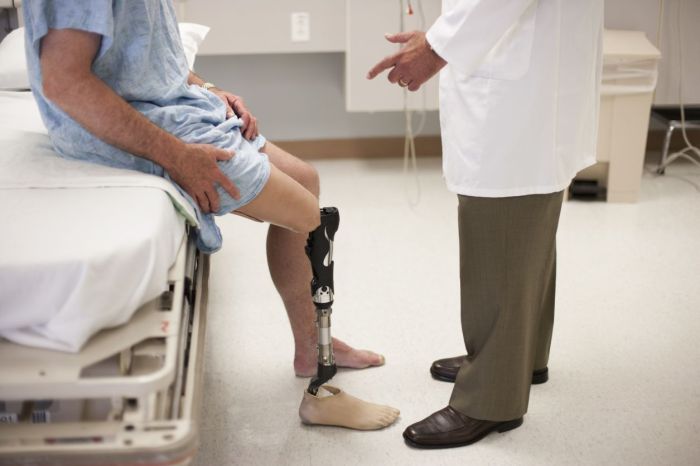
When considering the medical costs associated with amputation, it is crucial to understand the various expenses involved in the process, including prosthetics and rehabilitation. These costs can have a significant impact on the overall financial burden faced by individuals undergoing an amputation.
Direct Medical Costs
- The direct medical costs of amputation encompass expenses related to the surgical procedure itself, hospitalization, anesthesia, and post-operative care.
- Additional costs may include medications, wound care supplies, diagnostic tests, and follow-up appointments with healthcare providers.
- These direct medical costs can vary depending on the complexity of the amputation procedure, the length of hospital stay, and any complications that may arise during recovery.
Prosthetics and Rehabilitation
- Prosthetic limbs play a crucial role in helping amputees regain mobility and functionality, but they come with significant costs.
- The expenses associated with prosthetics include the initial fitting and customization, as well as ongoing maintenance and replacement over time.
- Rehabilitation programs are essential for individuals to learn how to use their prosthetic limbs effectively and adapt to their new way of life.
- Physical therapy, occupational therapy, and counseling services are often needed to support the emotional and physical recovery of amputees.
Cost Comparison of Prosthetic Limbs
- The cost of prosthetic limbs can vary widely depending on factors such as the type of limb, the materials used, and the level of technology incorporated.
- Basic prosthetic limbs made of simple materials may be more affordable but offer limited functionality and comfort.
- Advanced prosthetic limbs with sophisticated technology, such as bionic limbs, can be much more expensive but provide greater mobility and a more natural range of motion.
- Individuals must consider both the upfront costs and long-term maintenance expenses when choosing a prosthetic limb that best suits their needs and lifestyle.
Psychological and Emotional Costs
After an amputation, individuals often face significant psychological challenges that can impact their emotional well-being. The loss of a limb can lead to feelings of grief, depression, anxiety, and even post-traumatic stress disorder. Coping with these emotions is crucial for the overall well-being of the individual.
Importance of Mental Health Support
Receiving proper mental health support is essential for individuals post-amputation. Therapy, counseling, and support groups can help them navigate the emotional challenges they face. However, accessing these services comes with its own costs, adding to the overall financial burden of amputation.
- Therapy sessions: Regular therapy sessions are often necessary to help individuals process their emotions and develop coping strategies. These sessions can be costly, especially if they are not covered by insurance.
- Counseling services: Individual or group counseling can provide a safe space for individuals to express their feelings and receive guidance on managing their emotions. However, these services also come at a price.
- Support groups: Connecting with others who have gone through similar experiences can be incredibly beneficial for individuals post-amputation. However, participation in support groups may require membership fees or other associated costs.
Impact of Emotional Well-being on Overall Cost
The emotional well-being of individuals post-amputation can directly impact the overall cost of the procedure. Poor mental health can lead to longer recovery times, increased medical complications, and a higher risk of readmission to the hospital
Lifestyle Changes and Adaptations
After an amputation, individuals often need to make significant lifestyle adjustments to accommodate their new physical condition. These changes can range from modifying daily routines to relearning how to perform certain tasks with a prosthetic limb.These lifestyle adjustments can lead to additional costs as individuals may require specialized equipment, adaptive devices, or home modifications to maintain their independence and quality of life.
These extra expenses can quickly add up, impacting the overall financial burden of an amputation.
Adaptive Devices and Modifications
- Prosthetic Limbs: The cost of prosthetic limbs can vary depending on the type and level of amputation. Customized prosthetics designed to fit the individual's residual limb and lifestyle needs can be quite expensive.
- Mobility Aids: Individuals may need mobility aids such as wheelchairs, crutches, or walkers to assist with movement and balance. These aids may need to be replaced or upgraded over time, adding to the ongoing costs.
- Home Modifications: Adapting the living space to accommodate a wheelchair or mobility device may require renovations such as widening doorways, installing ramps, or adding grab bars. These modifications can incur significant expenses.
- Vehicle Modifications: If the individual needs to modify their vehicle for accessibility, costs can include installing lifts, hand controls, or ramps to facilitate transportation.
- Adaptive Technology: Specialized equipment such as reachers, dressing aids, or bathroom safety devices can help individuals with daily activities. However, these devices often come with a price tag.
Long-Term Financial Implications
Amputation not only incurs immediate medical costs but also has significant long-term financial implications for individuals. Reduced earning potential and ongoing medical expenses can greatly affect the overall finances of an amputee. Additionally, the challenges of securing adequate insurance coverage for future needs add another layer of financial strain.
Impact on Earning Potential
Amputation can limit an individual's ability to work in their previous capacity, leading to a decrease in earning potential. This loss of income can have a long-lasting impact on their financial stability and ability to meet ongoing expenses.
Ongoing Medical Expenses
After amputation, individuals often require continued medical care, prosthetic devices, and rehabilitation services. These ongoing expenses can quickly add up and become a significant financial burden, affecting the individual's ability to save for the future or cover other essential costs.
Challenges in Insurance Coverage
Securing adequate insurance coverage for future needs can be a daunting task for amputees. Many insurance policies have limitations or exclusions that may not fully cover the costs associated with long-term care, prosthetic devices, or other necessary services. This lack of comprehensive coverage can leave individuals financially vulnerable and struggling to afford essential treatments.
End of Discussion

Wrapping up the discussion on The Hidden Costs of Amputation: Why Initial Insurance Offers Are Often Too Low, this summary encapsulates the key points discussed and leaves readers with a profound insight into the financial challenges faced by amputees.
FAQ Overview
What are some common hidden costs associated with amputation?
Common hidden costs include expenses for prosthetics, rehabilitation, adaptive devices, and long-term mental health support.
How do lifestyle changes post-amputation impact expenses?
Lifestyle changes can lead to additional costs such as modifications to living spaces, transportation, and ongoing medical care.
What are the long-term financial implications of amputation?
Long-term financial implications include reduced earning potential, increased medical expenses, and challenges in obtaining adequate insurance coverage for future needs.


![AFFF Foam Cancer Lawsuit [2026 Update] | Firefighting Foam Cancer Lawyers](https://management.gemblong.web.id/wp-content/uploads/2026/05/AFFF-Foam-Cancer-Lawsuit-120x86.png)