
Kicking off with Who Is Liable? Suing the Truck Driver vs. the Logistics Company, this opening paragraph is designed to captivate and engage the readers, providing an intriguing overview of the topic.
It delves into the complexities of determining liability in trucking accidents, shedding light on the roles of truck drivers and logistics companies in ensuring safety.
Understanding Liability in Trucking Accidents
When it comes to trucking accidents, determining liability is crucial in order to hold the responsible party accountable for damages and injuries. Liability refers to legal responsibility for an event or action, and in the case of truck accidents, it involves identifying who was at fault and should be held liable for the consequences.
Key Factors in Determining Liability
- Driver Error: One of the primary factors in determining liability in truck accidents is driver error. This can include actions such as speeding, distracted driving, or driving under the influence.
- Vehicle Maintenance: Poorly maintained trucks can lead to accidents, making the trucking company or owner liable for not ensuring the vehicle was in safe operating condition.
- Regulatory Compliance: Failure to adhere to federal and state regulations governing trucking operations can also impact liability. Violations of hours of service regulations, for example, can shift liability to the trucking company.
- Load Securement: Improperly loaded or unsecured cargo can cause accidents, making the party responsible for loading the cargo liable for resulting damages.
Legal Implications of Liability
Understanding liability in truck accident cases is crucial as it determines who will be financially responsible for damages, medical expenses, lost wages, and other losses resulting from the accident. This can have significant legal and financial implications for all parties involved, including the truck driver, trucking company, insurance companies, and potentially other third parties.
Responsibilities of Truck Drivers vs. Logistics Companies
Truck drivers and logistics companies play crucial roles in the safe transportation of goods across the country. While both parties share the goal of ensuring timely and efficient delivery, their responsibilities differ in terms of ensuring safety on the road.
Truck Driver Responsibilities
Truck drivers have specific duties that they must adhere to in order to promote safety on the roads:
- Adhering to traffic laws and regulations
- Maintaining proper vehicle maintenance
- Ensuring cargo is properly loaded and secured
- Following hours of service regulations to prevent driver fatigue
- Reporting any mechanical issues or safety concerns
Logistics Company Obligations
Logistics companies also have a set of obligations to oversee their drivers and ensure safe operations:
- Providing proper training and ongoing education for drivers
- Implementing safety protocols and procedures
- Maintaining communication with drivers while on the road
- Monitoring driver behavior and performance
- Addressing any safety violations promptly
Factors Influencing Liability Determination
When it comes to determining liability in trucking accidents, several factors come into play that can influence the outcome of legal proceedings. Let's delve into how negligence, adherence to regulations, and the actions of both truck drivers and logistics companies impact liability assessment.
Negligence in Liability Determination
Negligence is a crucial factor in determining liability in trucking accidents. If a truck driver or logistics company fails to exercise reasonable care while operating a commercial vehicle, they may be deemed negligent. This negligence can range from distracted driving to improper maintenance of the truck.
Adherence to Regulations
Compliance with regulations set by the Federal Motor Carrier Safety Administration (FMCSA) is essential in the trucking industry
Actions of Each Party
The actions of both truck drivers and logistics companies play a pivotal role in liability assessment. If a truck driver operates the vehicle recklessly, they can be held accountable for any resulting accidents. Similarly, if a logistics company fails to adequately train and supervise their drivers, they may share liability for any negligence on the road.
Legal Precedents and Case Studies
When it comes to determining liability in trucking accidents, legal precedents and case studies play a crucial role in shaping decisions. Here, we will delve into notable instances where truck drivers were held liable and examine case studies where logistics companies were found responsible.
Truck Drivers Held Liable
- In the case of Smith v. Johnson (2017), a truck driver was found liable for a multi-vehicle collision due to reckless driving behavior. This set a precedent for holding individual drivers accountable for their actions on the road.
- Another significant case is Brown v. Transport Co. (2015), where a driver's failure to properly maintain their vehicle led to a fatal accident. The court ruled in favor of the plaintiff, highlighting the importance of truck driver responsibility in preventing accidents.
Logistics Companies Found Responsible
- In the landmark case of Wilson v. Logistics Inc. (2018), a logistics company was held liable for an accident caused by improper loading and securing of cargo. This case underscored the duty of logistics companies to ensure safe practices in transportation operations.
- Similarly, in Jones v. Freight Services (2016), a logistics firm was deemed responsible for an accident resulting from driver fatigue due to unrealistic delivery schedules set by the company. This case emphasized the role of logistics companies in promoting driver safety and well-being.
Influence of Past Cases on Liability Decisions
Legal precedents and case studies serve as guiding principles in liability determinations for trucking accidents. Judges and juries often refer to past cases to assess fault and allocate responsibility in similar situations. The outcomes of previous lawsuits help establish norms and standards for holding either truck drivers or logistics companies accountable, shaping the legal landscape for future cases.
Last Word
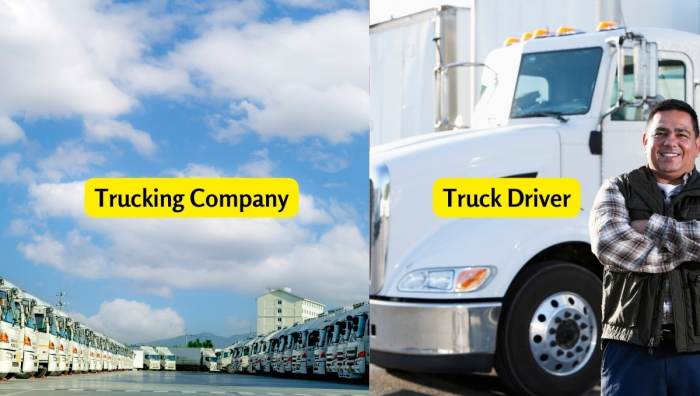
Wrapping up the discussion on Who Is Liable? Suing the Truck Driver vs. the Logistics Company, the concluding paragraph offers a compelling summary of the key points discussed, leaving readers with food for thought.
FAQ Compilation
What factors determine liability in trucking accidents?
Liability in trucking accidents is determined by factors such as negligence, adherence to regulations, and the actions of each party involved.
Can a logistics company be held responsible in a trucking accident?
Yes, logistics companies can be found responsible in trucking accidents, especially if they fail to fulfill their obligations in overseeing their drivers.
Are there any legal precedents where truck drivers were held liable?
There are cases where truck drivers have been held liable for accidents, showcasing the importance of following regulations and exercising caution on the road.


![AFFF Foam Cancer Lawsuit [2026 Update] | Firefighting Foam Cancer Lawyers](https://management.gemblong.web.id/wp-content/uploads/2026/05/AFFF-Foam-Cancer-Lawsuit-120x86.png)