Delving into Surgical Errors: When a "Complication" Is Actually Medical Malpractice, this introduction immerses readers in a unique and compelling narrative, with casual formal language style that is both engaging and thought-provoking from the very first sentence.
In the following paragraphs, we will explore the definition of surgical errors, differentiate complications from medical malpractice, examine the causes of surgical errors, discuss prevention strategies, and delve into patient rights and legal recourse in cases of medical malpractice.
Definition of Surgical Errors
When it comes to surgical errors, these are mistakes made by medical professionals during surgical procedures that deviate from the standard of care and can result in harm to the patient.
Types of Surgical Errors
- Wrong-site surgery: Performing a procedure on the wrong part of the body.
- Incorrect incisions: Making cuts in the wrong location or size.
- Organ damage: Accidentally harming organs during surgery.
- Leaving foreign objects: Forgetting to remove tools or materials from the body.
- Anesthesia errors: Administering incorrect doses or types of anesthesia.
Impact of Surgical Errors on Patients
Surgical errors can have devastating consequences for patients, including prolonged recovery times, additional surgeries to correct mistakes, physical and emotional trauma, and in severe cases, permanent disability or death. Patients may also experience trust issues with medical professionals and suffer from financial burdens due to additional medical expenses.
Differentiating Complications from Medical Malpractice

Complications during surgical procedures are common and can occur even with the highest standard of care. However, it is crucial to understand the distinction between complications and medical malpractice.
Complications vs. Medical Malpractice
Complications are unexpected outcomes or issues that can arise during or after a surgical procedure, despite the surgeon following proper protocols and procedures. These can include infections, bleeding, or reactions to anesthesia, among others. On the other hand, medical malpractice involves negligence or substandard care by a healthcare provider, leading to harm or injury to the patient.
- Example 1: A patient develops an infection after surgery, which is a known risk of the procedure. This is considered a complication.
- Example 2: A surgeon leaves a surgical instrument inside a patient during the procedure and fails to notice or remove it, causing further harm. This would be considered medical malpractice.
Legal Implications
Misinterpreting a complication as medical malpractice can have serious legal implications. Patients who believe they are victims of malpractice may file lawsuits against healthcare providers, leading to reputational damage, financial repercussions, and potential loss of medical license for the provider.
Causes of Surgical Errors
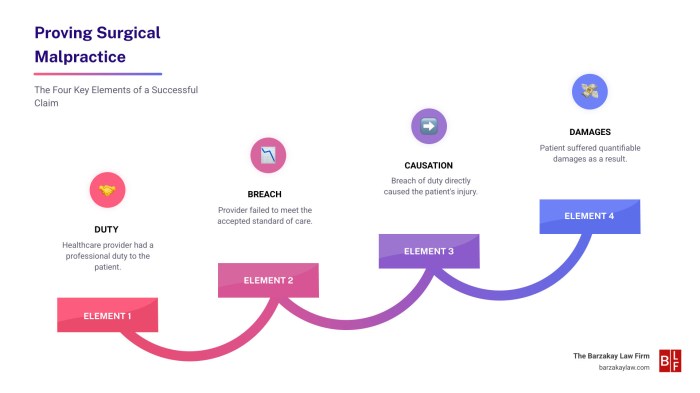
Surgical errors can occur due to various factors, ranging from miscommunication to fatigue and stress among medical professionals. Understanding the common causes of these errors is crucial in preventing them and ensuring patient safety.
Communication Breakdowns
Effective communication is essential in the medical field, especially during surgical procedures where multiple healthcare professionals are involved. Miscommunication or lack of communication between team members can lead to misunderstandings, errors in following protocols, and ultimately, surgical mistakes.
Fatigue and Stress
Healthcare professionals, including surgeons, often work long hours under high-pressure situations, leading to fatigue and stress. These factors can impair judgment, decrease concentration, and slow down reaction times, increasing the likelihood of errors during surgery. It is crucial for medical facilities to address issues related to fatigue and stress to minimize the risk of surgical errors.
Prevention Strategies for Surgical Errors
Preventing surgical errors is crucial in ensuring patient safety and positive surgical outcomes. Implementing protocols and procedures can help minimize the risk of errors during surgical procedures.
Proper Pre-operative Planning
One key strategy in preventing surgical errors is thorough pre-operative planning
By taking the time to properly plan and prepare for the surgical procedure, healthcare providers can identify and address any potential complications before they arise, reducing the likelihood of errors during surgery.
Role of Technology
Technology plays a significant role in minimizing surgical errors. Advanced tools such as robotic-assisted surgery, computer-assisted navigation systems, and imaging technologies allow surgeons to perform procedures with greater precision and accuracy.
These technological advancements help reduce the margin of error during surgery, leading to improved patient outcomes and a lower risk of complications. Healthcare facilities that invest in state-of-the-art technology can enhance patient safety and reduce the occurrence of surgical errors.
Patient Rights and Legal Recourse
Patients have rights when it comes to cases of surgical errors, including the right to seek legal recourse for medical malpractice. Understanding these rights is crucial in ensuring that patients receive the proper care and compensation they deserve.
Patient Rights in Cases of Surgical Errors
Patients have the right to:
- Receive quality medical care without negligence or errors during surgery.
- Be informed about the risks and potential complications of a surgical procedure.
- Give informed consent before any surgical procedure takes place.
- Access their medical records and seek a second opinion if necessary.
- Seek legal counsel and pursue legal action in cases of medical malpractice.
Legal Recourse for Medical Malpractice
Patients can seek legal recourse for medical malpractice by:
- Consulting with a medical malpractice attorney to discuss their case.
- Gathering evidence such as medical records, witness testimonies, and expert opinions.
- Filing a medical malpractice lawsuit against the healthcare provider or facility responsible for the surgical error.
- Participating in settlement negotiations or pursuing a trial to seek compensation for damages.
- Seeking justice and holding the negligent party accountable for their actions.
Statute of Limitations for Filing a Medical Malpractice Lawsuit
It is important to note that there is a statute of limitations for filing a medical malpractice lawsuit, which varies by state. Patients must file their lawsuit within a certain timeframe after the surgical error occurred or when it was discovered.
Missing the deadline could result in the case being dismissed.
Patients should consult with a legal professional as soon as possible to understand the specific statute of limitations in their state and take timely action to protect their rights.
Wrap-Up
As we conclude, it is evident that understanding the nuances of surgical errors and medical malpractice is crucial for both patients and healthcare providers. By recognizing the signs, implementing prevention strategies, and knowing their rights, individuals can navigate these complex issues with greater awareness and empowerment.
Question & Answer Hub
What are some common types of surgical errors?
Common types include wrong-site surgery, anesthesia errors, and leaving foreign objects in the body after surgery.
How do complications differ from medical malpractice in surgical procedures?
Complications are known risks of surgery, while medical malpractice involves negligence or substandard care by healthcare professionals.
What are some common causes of surgical errors?
Common causes include miscommunication, fatigue, lack of proper training, and equipment failure.
What legal recourse do patients have in cases of surgical errors?
Patients can seek legal recourse by filing a medical malpractice lawsuit against the responsible healthcare provider.
What is the statute of limitations for filing a medical malpractice lawsuit?
The statute of limitations varies by state but is typically around two to three years from the date of the injury.


![AFFF Foam Cancer Lawsuit [2026 Update] | Firefighting Foam Cancer Lawyers](https://management.gemblong.web.id/wp-content/uploads/2026/05/AFFF-Foam-Cancer-Lawsuit-120x86.png)