
Exploring the Statute of Limitations in Florida, this introduction sets the stage for a comprehensive look at the time constraints involved in filing a lawsuit. By shedding light on this crucial legal concept, readers are invited to delve deeper into the intricacies of time limitations in legal proceedings.
The subsequent paragraph will provide detailed insights and explanations about the topic.
Overview of Statute of Limitations in Florida

The Statute of Limitations in Florida is a legal concept that sets a time limit within which a lawsuit must be filed after a particular event has occurred. This time limit varies depending on the type of legal claim and is crucial in determining the validity of a lawsuit.
Definition and Purpose
The Statute of Limitations serves as a protection for defendants, ensuring that they are not indefinitely subjected to potential lawsuits. It also encourages plaintiffs to promptly bring their claims to court, promoting the efficient resolution of legal disputes.
- For example, in Florida, the Statute of Limitations for personal injury cases is typically four years from the date of the injury.
- On the other hand, the time limit for breach of contract cases in Florida is usually five years from the date the contract was breached.
Variation by State
It is important to note that the Statute of Limitations can vary from state to state in the U.S. Each state has its own set of laws that dictate the time limits for different types of legal claims. It is crucial to be aware of the specific Statute of Limitations in the state where the lawsuit will be filed.
- For instance, while the time limit for filing a personal injury lawsuit in Florida is four years, it may be different in neighboring states like Georgia or Alabama.
- Understanding the Statute of Limitations in a particular state is essential for ensuring the timely filing of a lawsuit and preserving one's legal rights.
Significance in Legal Proceedings
The Statute of Limitations plays a significant role in legal proceedings as it establishes the deadline by which a lawsuit must be initiated. Failure to adhere to the Statute of Limitations can result in the dismissal of the case, regardless of its merits.
It is crucial for both plaintiffs and defendants to be aware of these time limits and act accordingly.
It is essential to consult with a qualified attorney to determine the applicable Statute of Limitations for your specific legal claim and ensure that your rights are protected.
Statute of Limitations for Different Types of Lawsuits in Florida
When it comes to filing a lawsuit in Florida, the Statute of Limitations varies depending on the type of legal claim. Understanding these timelines is crucial to ensure that your rights are protected and that you do not miss the deadline to take legal action.
Personal Injury Lawsuits
- In Florida, the Statute of Limitations for personal injury lawsuits is typically four years from the date of the injury.
- This timeline allows individuals who have been injured due to someone else's negligence to file a lawsuit within a reasonable period.
- It is important to note that there are exceptions to this timeline for specific circumstances, such as cases involving medical malpractice.
Contract Disputes
- For contract disputes in Florida, the Statute of Limitations is generally five years from the date the contract was breached.
- This timeline provides parties involved in a contract with a reasonable amount of time to seek legal remedies if the terms of the contract are violated.
- It is essential for individuals involved in contract disputes to be aware of this timeline to avoid losing their right to pursue legal action.
Medical Malpractice Claims
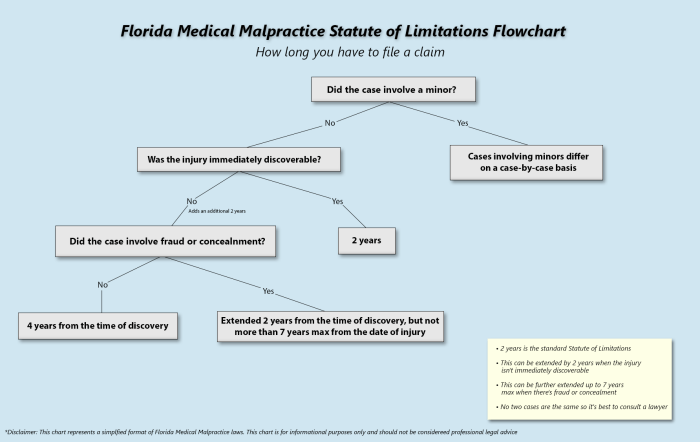
- Medical malpractice claims in Florida have a shorter Statute of Limitations of two years from the date of the incident or discovery of the injury.
- This timeline is designed to ensure that individuals who have suffered harm due to medical negligence can promptly seek compensation for their losses.
- It is crucial for victims of medical malpractice to act swiftly to protect their rights within this limited timeframe.
Property Damage Claims
- For property damage claims in Florida, the Statute of Limitations is typically four years from the date the damage occurred.
- This timeline allows property owners to take legal action against those responsible for causing damage to their real or personal property within a reasonable period.
- It is important for individuals dealing with property damage to be aware of this timeline to ensure they do not miss the deadline for filing a lawsuit.
Exceptions and Extensions to the Statute of Limitations in Florida
When it comes to the Statute of Limitations in Florida, there are some exceptions and extensions that can be applied under certain circumstances.
Exceptions to the Statute of Limitations
In Florida, some exceptions may apply to the Statute of Limitations depending on the nature of the case. For example, if the plaintiff was a minor at the time the incident occurred, the statute of limitations may be extended until they reach the age of majority.
Another common exception is when the defendant leaves the state, which can pause the statute of limitations until they return.
Seeking an Extension
If you believe you have a valid reason for seeking an extension to the Statute of Limitations in Florida, you would need to file a motion with the court outlining the reasons why an extension is necessary. The court will then review the motion and consider various factors before making a decision.
Factors Considered by the Court
- The reason for the delay in filing the lawsuit.
- Whether the delay was within the plaintiff's control.
- Prejudice to the defendant if the extension is granted.
- The length of the delay and the impact on evidence and witnesses.
Importance of Knowing the Statute of Limitations in Florida
Knowing the Statute of Limitations in Florida is crucial as it determines the deadline within which a lawsuit must be filed. Failing to adhere to this deadline can lead to serious consequences, including the inability to pursue legal action for a valid claim.
Consequences of Missing the Deadline
- Forfeiture of the right to file a lawsuit
- Defendants can use the expired statute as a defense
- Losing the opportunity to seek justice or compensation
Impact on Legal Actions
- Prevents frivolous or outdated claims from clogging the court system
- Ensures timely resolution of disputes
- Protects defendants from prolonged legal vulnerability
Tips for Staying Informed
- Consult with a legal professional for guidance
- Research the specific Statute of Limitations for your type of case
- Keep track of important deadlines and seek legal advice promptly
Ultimate Conclusion
In conclusion, this discussion has unveiled the critical importance of understanding the Statute of Limitations in Florida. By grasping the time constraints involved in initiating legal actions, individuals can navigate the legal landscape more effectively and protect their rights.
Essential Questionnaire
What happens if I miss the deadline to file a lawsuit in Florida?
Missing the deadline can result in your case being dismissed by the court. It's crucial to adhere to the Statute of Limitations to avoid such consequences.
Can the Statute of Limitations be extended under certain circumstances in Florida?
Yes, there are exceptions where the Statute of Limitations can be extended, such as in cases of fraud or concealment of evidence.
How can individuals stay informed about the Statute of Limitations for their specific case?
Consulting with a legal professional or conducting research on the specific type of lawsuit can help individuals stay informed about the applicable Statute of Limitations.


![AFFF Foam Cancer Lawsuit [2026 Update] | Firefighting Foam Cancer Lawyers](https://management.gemblong.web.id/wp-content/uploads/2026/05/AFFF-Foam-Cancer-Lawsuit-120x86.png)