Dog Bite Liability: Strict Liability vs. The "One-Bite Rule" in New Jersey sets the stage for this enthralling narrative, offering readers a glimpse into a story that is rich in detail and brimming with originality from the outset.
The topic delves into the legal complexities surrounding dog bite cases, exploring contrasting approaches to liability in New Jersey.
Strict Liability in Dog Bite Cases
In the context of dog bite cases, strict liability means that a dog owner is held responsible for any injuries caused by their dog, regardless of the dog's past behavior or the owner's knowledge of such behavior.Strict liability applies in situations where a dog bites someone without provocation, regardless of whether the owner took precautions to prevent such an incident.
This differs from other forms of liability, such as negligence, where the injured party must prove that the owner failed to take reasonable care to prevent the dog from causing harm.
Examples of Strict Liability
- If a dog escapes from its owner's property and bites a passerby, the owner can be held strictly liable for the injuries.
- In a situation where a dog has shown aggressive tendencies in the past but the owner did not take any measures to prevent an attack, the owner can still be held strictly liable if the dog bites someone.
Comparison with Other Forms of Liability
Strict liability differs from the "one-bite rule," which allows a dog one free bite before the owner can be held liable for subsequent incidents. Under strict liability, the owner can be held responsible for the first bite if it occurs without provocation, regardless of the dog's previous behavior.In comparison to negligence, where the injured party must prove that the owner failed to take reasonable care, strict liability simplifies the legal process by holding the owner automatically responsible for any harm caused by their dog.
This helps ensure that victims of dog bites can receive compensation without the need to establish fault or negligence on the part of the owner.
The “One-Bite Rule” in New Jersey
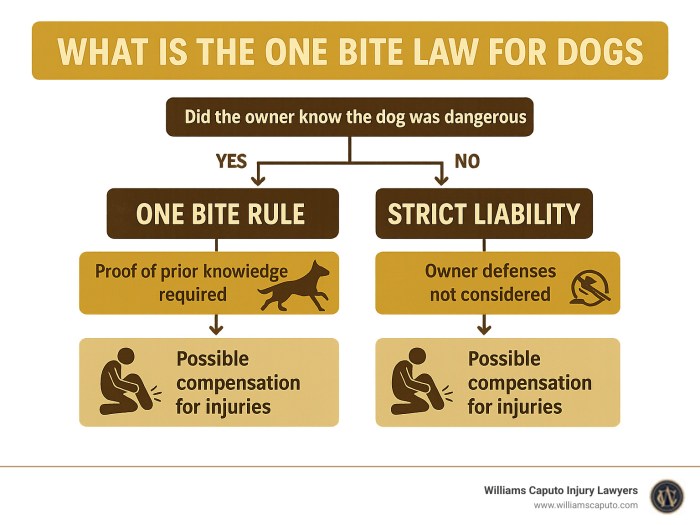
The "One-Bite Rule" is a legal doctrine that provides immunity to dog owners the first time their dog bites someone, as long as the owner had no prior knowledge of the dog's aggressive tendencies. In New Jersey, this rule essentially means that a dog owner may not be held liable for a dog bite incident if it is the first time the dog has bitten someone and there was no prior indication of aggressive behavior.
History and Evolution of the “One-Bite Rule” in New Jersey
The "One-Bite Rule" originated from English common law and was based on the idea that a dog owner should not be held responsible for the first bite since they were not aware of any dangerous propensities in their dog. Over time, this rule has been adopted by many states in the U.S., including New Jersey.
Contrast Between the “One-Bite Rule” and Strict Liability
The key difference between the "One-Bite Rule" and strict liability is that under strict liability, a dog owner can be held responsible for a dog bite regardless of whether or not they knew about the dog's aggressive tendencies. In New Jersey, the strict liability statute for dog bites holds dog owners accountable for any injuries caused by their dogs, even if it is the first time the dog has bitten someone.
- Under the "One-Bite Rule," dog owners may escape liability for the first bite, while under strict liability, they are held accountable regardless of prior knowledge.
- Strict liability provides more protection for victims of dog bites as it ensures they can seek compensation for their injuries without the burden of proving the dog owner's prior knowledge.
- On the other hand, the "One-Bite Rule" offers some leniency to dog owners who may not have been aware of their dog's aggressive tendencies, especially for first-time incidents.
Legal Implications for Dog Owners
As a dog owner in New Jersey, there are important legal responsibilities and obligations that you must adhere to in order to protect yourself from liability in case of a dog bite incident. Understanding these implications is crucial for ensuring the safety of others and avoiding potential legal consequences.
Responsibilities and Obligations of Dog Owners in New Jersey
- Ensure that your dog is properly restrained and under control at all times, especially in public places.
- Properly socialize and train your dog to reduce the risk of aggressive behavior towards others.
- Comply with local leash laws and regulations to prevent your dog from wandering off and potentially causing harm to others.
- Regularly monitor your dog's health and behavior to address any signs of aggression or illness promptly.
How Dog Owners Can Protect Themselves from Liability
- Obtain liability insurance that covers dog bite incidents to protect yourself financially in case of a lawsuit.
- Post visible warning signs on your property to alert visitors of the presence of a dog and potential risks.
- Seek professional training and behavior modification for your dog if you notice any signs of aggression or unpredictable behavior.
- Keep your dog updated on vaccinations and ensure regular veterinary check-ups to maintain good health and reduce the risk of aggressive behavior.
Potential Defenses Available to Dog Owners in Dog Bite Cases
- Provocation: If the victim provoked the dog or engaged in behavior that led to the bite, the dog owner may use this as a defense in court.
- Trespassing: If the victim was unlawfully on the dog owner's property at the time of the incident, this may be used as a defense against liability.
- Working dog: If the dog was performing a duty or service at the time of the incident, such as a police or service dog, this may be considered a defense in certain cases.
- Contributory negligence: If the victim's own negligence contributed to the dog bite incident, the dog owner may argue for a reduction in liability.
Factors Influencing Liability Determination
When it comes to determining liability in dog bite cases, there are several factors that come into play. These factors can influence whether a dog owner is held responsible for their pet's actions and the resulting injuries.One key factor that influences liability is the role of provocation.
If it can be proven that the victim provoked the dog in some way, such as teasing or threatening the animal, this can impact the determination of liability. In such cases, the dog owner may not be held fully accountable for the attack.Local ordinances and regulations also play a significant role in liability decisions.
Different jurisdictions may have varying laws regarding dog ownership, leash requirements, and dangerous dog designations. These local rules can impact how liability is assessed in a dog bite case and the potential consequences for the owner.
Provocation
- Provocation can include actions like teasing, hitting, or threatening the dog.
- If the victim provoked the dog, it may reduce the owner's liability.
- However, provocation must be proven and not just assumed based on the circumstances.
Local Ordinances
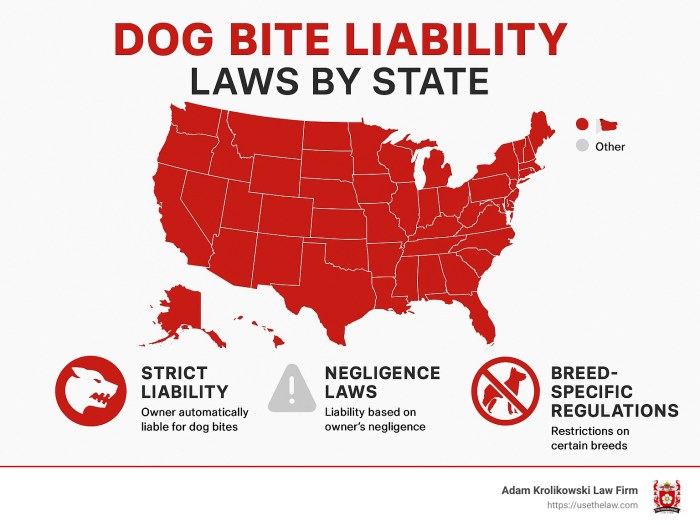
- Local ordinances may dictate leash laws, breed-specific regulations, and dangerous dog designations.
- Violation of these ordinances can impact liability and potential penalties for the owner.
- Courts often consider compliance with local regulations when determining liability in dog bite cases.
Concluding Remarks
In conclusion, the discussion on Dog Bite Liability: Strict Liability vs. The "One-Bite Rule" in New Jersey sheds light on the nuanced legal landscape governing dog ownership and liability.
Frequently Asked Questions
What is the "One-Bite Rule" in New Jersey?
The "One-Bite Rule" in New Jersey essentially means that dog owners may not be held liable for the first bite their dog inflicts, unlike in states with strict liability laws.
What are some common defenses for dog owners in dog bite cases in New Jersey?
Common defenses for dog owners in New Jersey include trespassing, provocation, and the victim's own negligence contributing to the incident.
How do local ordinances impact liability decisions in dog bite cases in New Jersey?
Local ordinances can play a crucial role in liability decisions by imposing additional responsibilities or restrictions on dog owners beyond state laws.


![AFFF Foam Cancer Lawsuit [2026 Update] | Firefighting Foam Cancer Lawyers](https://management.gemblong.web.id/wp-content/uploads/2026/05/AFFF-Foam-Cancer-Lawsuit-120x86.png)